An itinerary through the Montone and Tramazzo Valleys
Do you know the riches that inhabit the Tuscan-Romagnolo Apennines? An extraordinary itinerary, which follows the course of the Montone river, cited by Dante in the Divine Comedy, through the Montone Valley and then the Tramazzo Valley, gives you the opportunity to discover unique places, passing through many villages immersed in greenery and nature in the Apennine mountains.
Let's look at the stages together: Cesenatico – Forlì – Terra del Sole – Castrocaro – Dovadola – Rocca San Casciano – Portico di Romagna – San Benedetto in Alpe – Tredozio – Modigliana – Cesenatico (approx. 160 km)
How to do it: recommended itinerary by car. The visit requires a full day.
Detailed itinerary: from Cesenatico take the SS 304 to Cesena, continue on the SS 9 (via Emilia) to Forlì; then take the SS 67 towards Florence, along which most of the places to visit are located.
TERRA DEL SOLE: a city planned from scratch, founded in 1564 by the will of Cosimo I de Medici of Tuscany, whose name reflects the concept of an ideal city for spatial invention and harmony of forms. Conceived as a fortress city, it develops on a rectangular plan between 13-meter high walls, and once the two Roman and Florentine gates represented the only accesses, surmounted by the two Castles of the Captain of Artillery and the Governor. Today it houses the interesting Museum of Man and the Environment.
CASTROCARO TERME: a renowned spa town already known in Roman times as Salsubium for its salty waters. It was dominated first by the Papal States and then by the city of Florence. Among the city's monuments are: the church of Saints Nicholas and Francis, the Palazzo dei Commissari and the Rocca with the Bell Tower. The large spa park is also worth a visit: 20 hectares of greenery and tall trees and kilometers of relaxing avenues with the most beautiful essences.
DOVADOLA: the name seems to derive from duo vadora, meaning two fords, because once there were two passages here to cross the winding Montone river. The village is still dominated by a picturesque fortified castle built in the 13th century, beneath which lies the oldest core of the town with the Clock Tower. Dovadola is renowned for its truffle festival which takes place every year on the third and fourth Sunday of October.
ROCCA SAN CASCIANO: a town in the middle Montone Valley, overlooked by the remains of the Rocca, which preserves the Praetorian Palace, the Church of Suffrage built after the terrible earthquake of 1661, and the Church of S. Maria delle Lacrime.
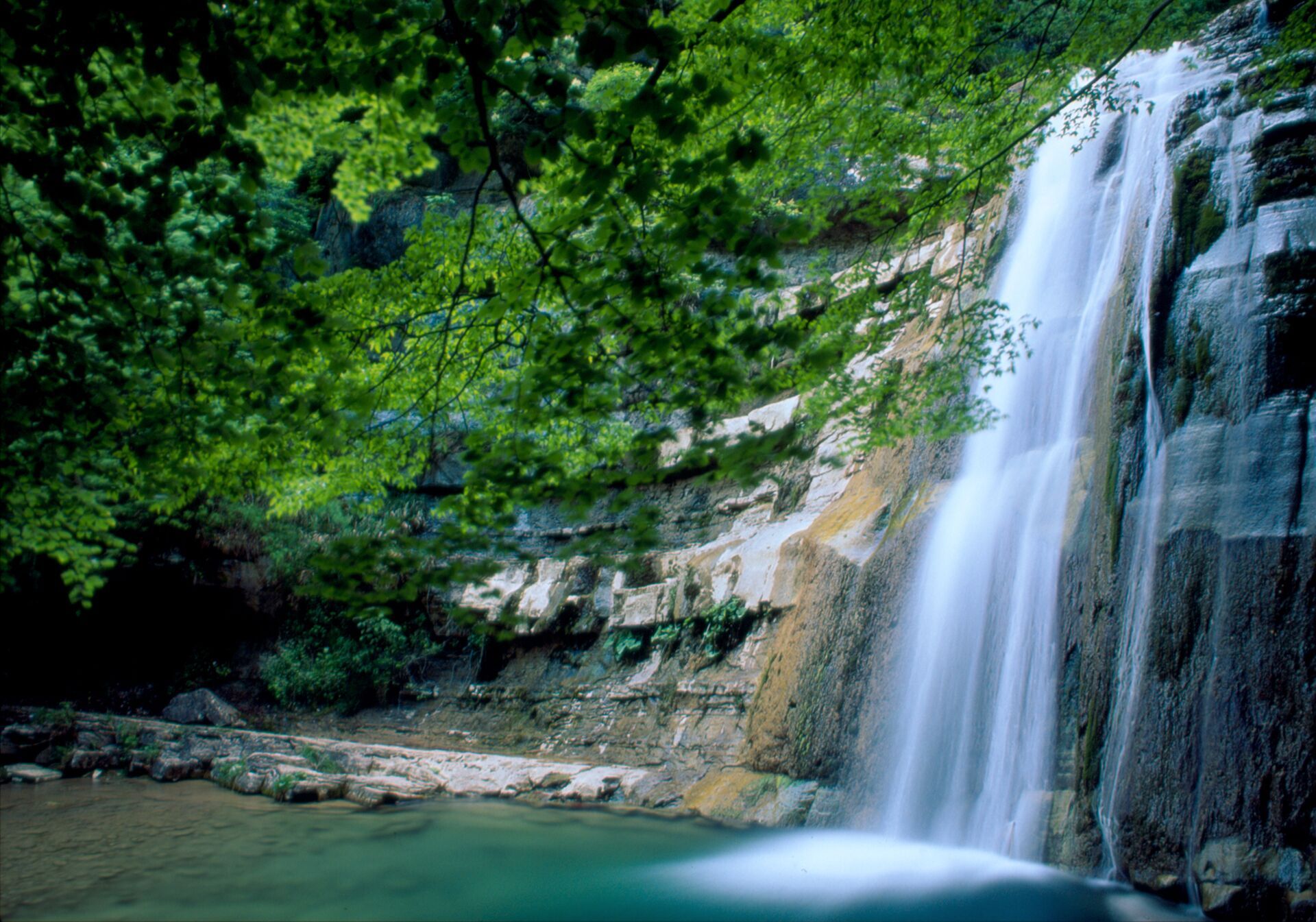
PORTICO AND SAN BENEDETTO: Portico arose in ancient times as a market place and with its castle, it preserves the medieval appearance of a village divided into three levels: the upper part with the castle and the parish church, the middle part with the noble palaces, and the lower part with the hamlets and artisan workshops. The nearby settlement of S. Benedetto, at the foot of the Muraglione pass, has a history linked to the Benedictine abbey, one of the oldest in the Apennines. Dante stopped in these places during his exile and poetically recounts them in the Divine Comedy. From here, an excursion to the enchanting Acquacheta Waterfalls, reachable on foot via an easy path, is a must.
TREDOZIO: we move to the Tramazzo valley to reach this town, in the center of which stands the Civic Tower. Among the monuments to remember are: the Church of the Company of the Blessed Sacrament, the Church of San Michele Arcangelo, and the Convent of the Annunciation.
MODIGLIANA: the most important center of the Tramazzo valley, where the lineage of the Guidi counts was born, a powerful family that dominated over two hundred castles between Romagna and Tuscany. To visit are the cathedral, the Praetorian and Borghi Palaces, and the Municipal Museum.
If you are interested in other nature trails, also read An itinerary in the Villages of the Savio Valley and An itinerary from the Ridracoli Dam to the Casentinesi Forests.