Nature and well-being Maritime art and culture
An itinerary through the towns of the Savio Valley
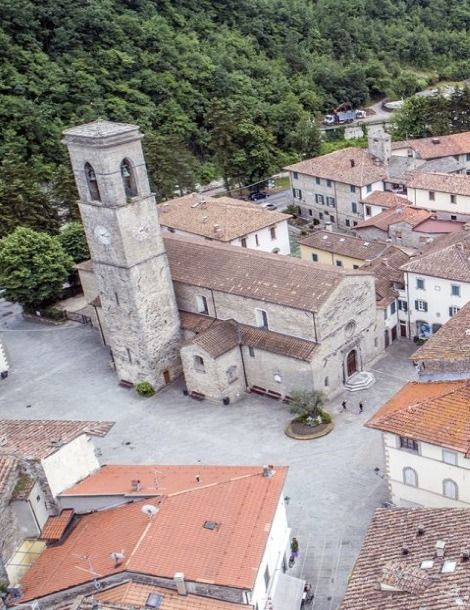
If you are looking for a nature itinerary that combines history and nature, this route to discover the towns that populate the Savio Valley is the most suitable for you. A unique landscape made possible by the magic of the villages found in this ancient valley, where the river of the same name flows, which originates on Monte Castelvecchio, Fumaiola Massif.
Let's look at the stages together: Cesenatico - Cesena - Sarsina - Bagno di Romagna - San Piero in Bagno - Verghereto - Cesenatico (approx. 150 km)
How to do it: recommended itinerary to be done by car. The visit requires a full day.
Detailed itinerary: from Cesenatico take the SS 304 to Cesena, then follow the signs for the E45 (direction Rome); the places to visit are all located on this important communication route.
SARSINA: a flourishing city of Umbrian origins, conquered by the Romans in 266 BC, it was the birthplace of the famous Latin playwright Titus Maccius Plautus, master of theatrical plot and comedy. After the fall of the Roman Empire, it flourished again as a diocesan seat and until 1859 it was part of the Papal States. In the area of the ancient forum, today stands the large Tito Maccio Plauto square, dominated by the Cathedral, considered one of the best examples of Romanesque style in Italy. Inside, simple and austere, is the chapel of San Vicinio, a bishop who lived between the 3rd and 4th centuries and patron saint of the city, whose remains are preserved along with the famous chain, an instrument of penance of the saint, which for centuries has been offered for the faithful to kiss or placed around the necks of the sick or presumed possessed and demon-possessed for their healing and blessing. A few steps from the center stands a national Archaeological Museum of significant importance, where artifacts are preserved, largely from a necropolis located a few kilometers along the Savio Valley: ancient funerary stelae, mosaics, objects and furnishings of daily life up to the imposing mausoleum of Rufus.
BAGNO DI ROMAGNA: a thermal center of primary importance, it owes its name, its origins and its development to the precious healthy waters that naturally flow at the temperature of . Among the city's monuments stand out: the Basilica of S. Maria Assunta of Romanesque origin, containing important works such as the terracotta statue of S. Agnese, by Andrea Della Robbia and the altarpiece by Neri Di Bieci and the fifteenth-century Palazzo del Capitano, on whose facade the coats of arms of the Florentine captains stand out.
SAN PIERO IN BAGNO: a climatic resort immersed in the green of the surrounding mountains and woods.
VERGHERETO: it stands in an elevated position near the Montecoronaro pass and has played, over the centuries, an important role as a hub between the Savio Valley leading to Rome and the road coming from Montefeltro. The Via dei Romei, of the pilgrims, passed through this pass. The village preserves its medieval urban structure, while in the surroundings you can discover places that preserve ancient and suggestive small churches such as: the Church of S. Maria Assunta alle Balze, with Della Robbia terracottas and the Hermitage of Sant'Alberico, reachable on foot via a path arranged by Leopold Grand Duke of Tuscany.
If you are interested in other nature trails, also read An itinerary from the Ridracoli dam to the Casentinesi Forests and An itinerary between the Montone and Tramazzo Valleys.