Marino Moretti, the poet born on the Canal Port
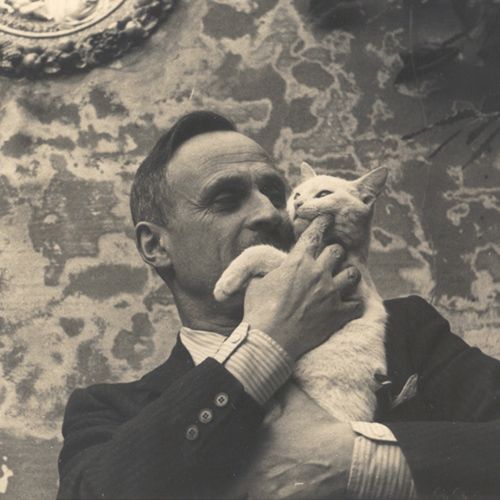
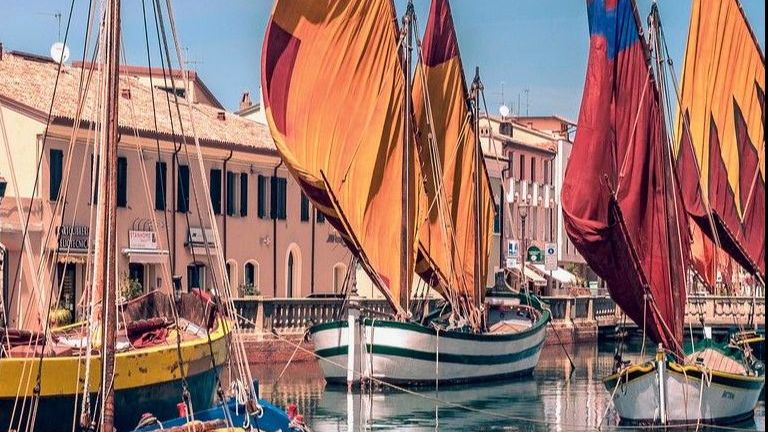
Cesenatico holds a literary soul, being home to one of the most renowned poets of the 20th century: Marino Moretti, who was born in the seaside village on July 18, 1885, in his paternal home on the Canal Port, now a museum. He would leave this home several times to undertake one of his countless journeys, but he would eventually return to his beloved city, which inspired him so much in his works. Let's then embark on this journey with the writer to discover the years of his life and his poetry.
Childhood
His father, Ettore, was a shipowner of transport boats, while his mother, Filomena, was an elementary school teacher. Marino began his classical studies in Ravenna, then continued them in Bologna; however, he interrupted them in 1901 to attend the theatrical acting school directed by Luigi Rasi in Florence, where he met, among others, Aldo Palazzeschi, who became his close friend, and discovered his literary vocation.
Crepuscular Poet
Between 1902 and 1903, the first collections of short stories and poems were published, and in 1905, the verses of Fraternità. In these early volumes, and especially in Poesie scritte col lapis (1910), Poesie di tutti i giorni (1911), and Il giardino dei frutti (1915), Pascoli's influence and that 'crepuscular' tone - according to the well-known definition - which would also be found in his narrative, are already perceptible.
From his first collection of short stories, I lestofanti (1909), to his novels (the most famous: La voce di Dio, 1920 or I puri di cuore, 1923), Moretti describes simple events set in the provincial world, often identifiable precisely in Cesenatico, rendered in an understated style interspersed with flashes of personal humor. He began writing for various newspapers and magazines, and from 1923, he was invited to collaborate with «Il Corriere della Sera».
Moretti inaugurated his happiest season, after that of the crepuscular poet and narrator, introducing a new and fresh ironic language with I grilli di Pazzo Pazzi (1951), followed by La camera degli sposi in 1958.
The Poet's Final Season
The poet's final season saw a happy return to poetry with the publication by Mondadori of collections such as L'ultima estate (1969) or Le poverazze in '73. He died in Cesenatico on July 6, 1979, at the age of ninety, in his beloved home, which, donated to the Municipality of Cesenatico with the library, autograph papers, and furnishings by the poet's own will, is now a house-museum.
If you have been fascinated by this poet and his origins, discover more about this beautiful literary gem of Cesenatico, also by reading Casa Moretti: the house-museum on the Canal Port.